Few household problems are as frustrating as standing water rising in the sink while you’re rushing to get out the door. Before you reach for that bottle of caustic chemical drain cleaner — which can corrode your pipes and create bigger problems — try these seven safe, effective methods to unclog a drain and restore proper flow.
1: Boiling Water (Best for Grease & Soap Buildup)
The simplest fix is often the most overlooked. Slowly pour a full kettle of boiling water down the drain in two or three stages, letting it work for several seconds between each pour. Heat dissolves soap scum, melts grease, and breaks up minor clogs without any chemicals.
Note: Skip this method on PVC pipes — extreme heat can soften the joints.
2: Baking Soda and Vinegar
This pantry-staple combination creates a foaming reaction that lifts debris from pipe walls. Pour one cup of baking soda down the drain, follow with one cup of white vinegar, cover the drain for 15 minutes, then flush with hot water. It’s eco-friendly and safe for every pipe material.
3: The Plunger Method
A standard cup plunger is one of the most underrated tools in any home. For sinks, fill the basin with a few inches of water to seal the plunger cup, then plunge vigorously for 20–30 seconds. The pressure shifts most surface clogs immediately.
4: Drain Snake or Wire Hanger
For hair clogs in bathroom drains, a flexible drain snake (available for under $10) works wonders. Feed it slowly into the drain, twist when you feel resistance, and pull the clog up and out. In a pinch, an unbent wire coat hanger with a small hook on the end can do the trick.
5: Wet/Dry Vacuum
Set a wet/dry shop vacuum to liquid mode, create a tight seal over the drain opening, and let suction pull the clog upward. This works especially well for solid objects like small toys or jewelry.
6: Enzyme-Based Cleaners
Unlike harsh chemical cleaners, enzymatic drain treatments use natural bacteria to digest organic matter such as hair, food, and grease. They work slowly (8–24 hours) but won’t damage pipes and are safe for septic systems.
7: Clean the P-Trap
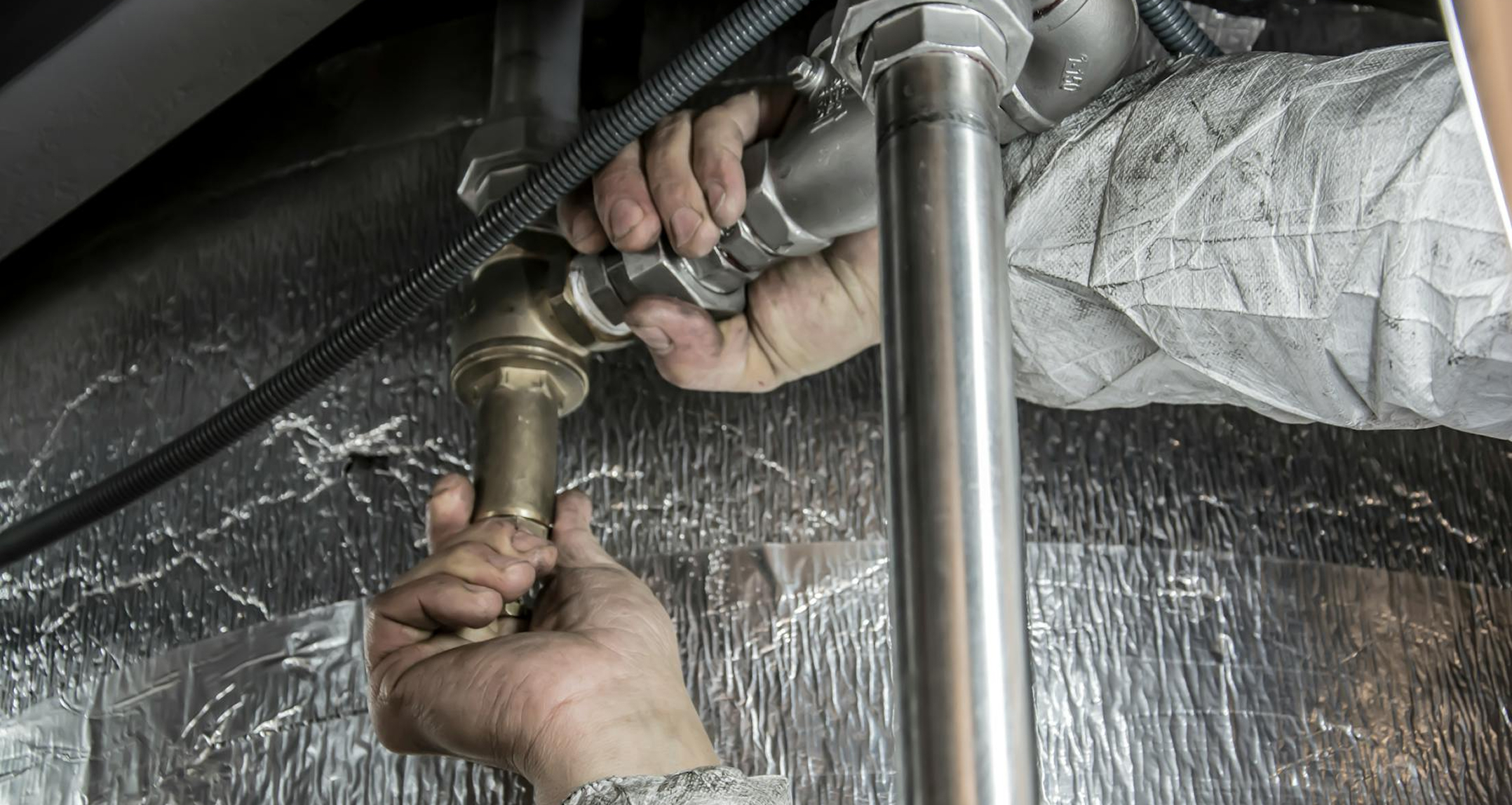
The U-shaped pipe under your sink, called the P-trap, catches debris before it travels deeper into your plumbing. Place a bucket beneath it, unscrew the slip nuts by hand or with channel-lock pliers, empty the contents, scrub it clean, and reattach.
When DIY Isn’t Enough: Call a Professional
If you’ve tried multiple methods and the drain still won’t clear — or if you notice multiple slow drains throughout your home, gurgling sounds, foul odors, or water backing up into other fixtures — the clog likely lies deeper in your main sewer line. These problems require professional equipment such as motorized drain augers, hydro-jetting, and video inspection cameras to diagnose and resolve safely.
Prevention: The Best Cure for Clogged Drains
⦁ Install hair catchers in every shower and bathroom sink
⦁ Never pour grease, oil, or coffee grounds down kitchen drains
⦁ Run hot water for 30 seconds after each dishwashing session
⦁ Schedule annual professional drain cleaning to remove buildup before it becomes a blockage
Need a Rancho Cucamonga Plumber?
If a stubborn clog has you stumped, our licensed technicians are ready to help. We use the latest video inspection and hydro-jetting technology to diagnose the real cause of your drainage problems and provide a permanent solution — not a temporary patch. Call 909-715-2564 or book online for same-day service.